Free strategy call and written scope for local, regional and national brands. Book yours →

Home / Industries / Financial and Mortgage / Credit Unions and Community Banks
Local and regional
Credit Unions and Community Banks marketing.
Eligibility, branch proximity and posted rates decide most of this. We market inside those constraints instead of pretending they are not there.
How do you market credit unions and community banks?
Credit unions and community banks market on three fronts: proving eligibility, being visible across the branch footprint, and competing on posted rates. That means a plain explanation of field of membership, a page and Google Business Profile for every branch, and product pages presenting APY or APR with the disclosures Truth in Savings and Reg Z require. Indirect lending brings members marketing alone cannot.
See It Working
Sites we built for businesses like yours.
Open any of these and use it. They run on WorkspaceCMS, on their own domains, at the speed and structure a client gets. The businesses are invented, because these are demonstration builds rather than client sites.
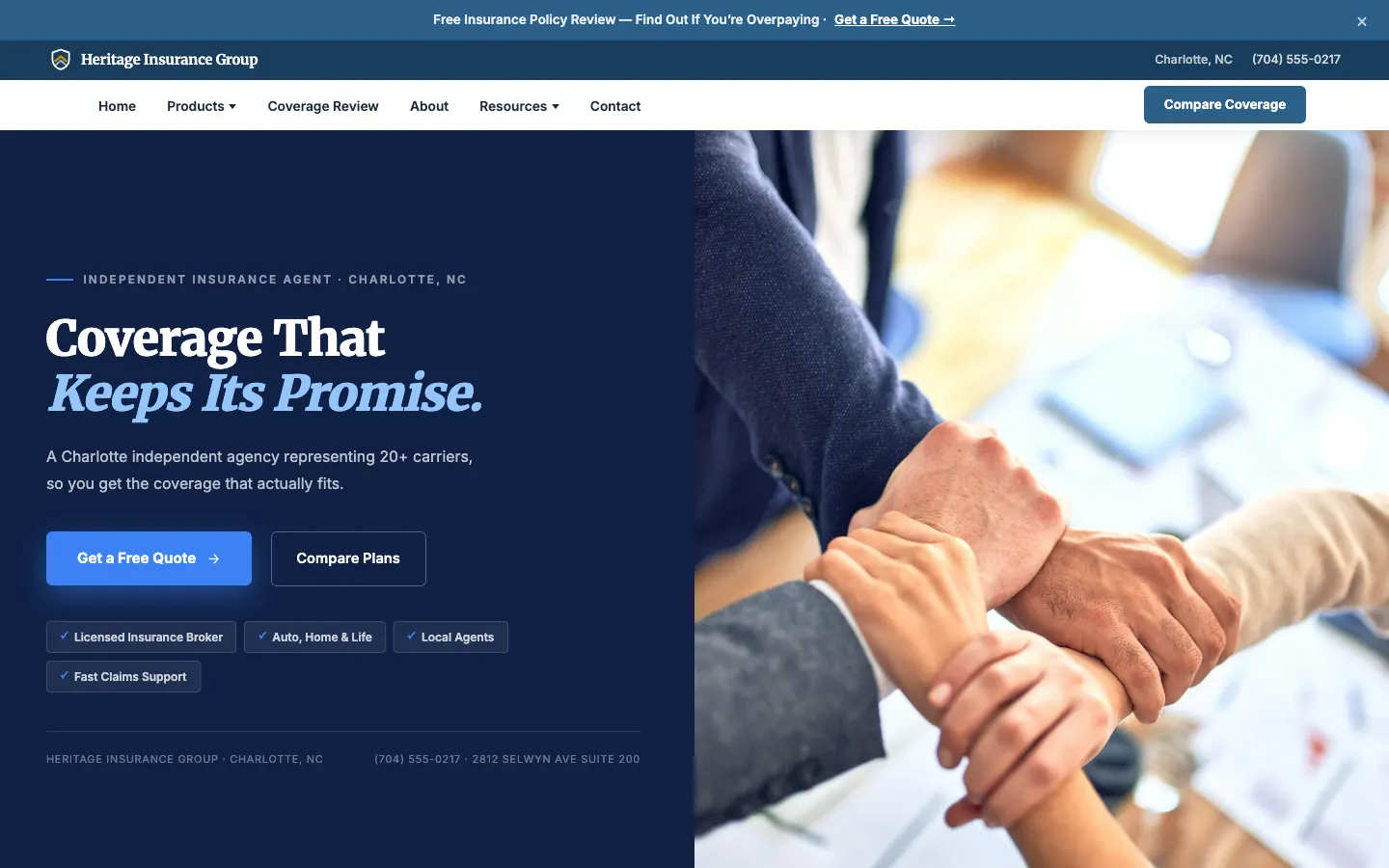
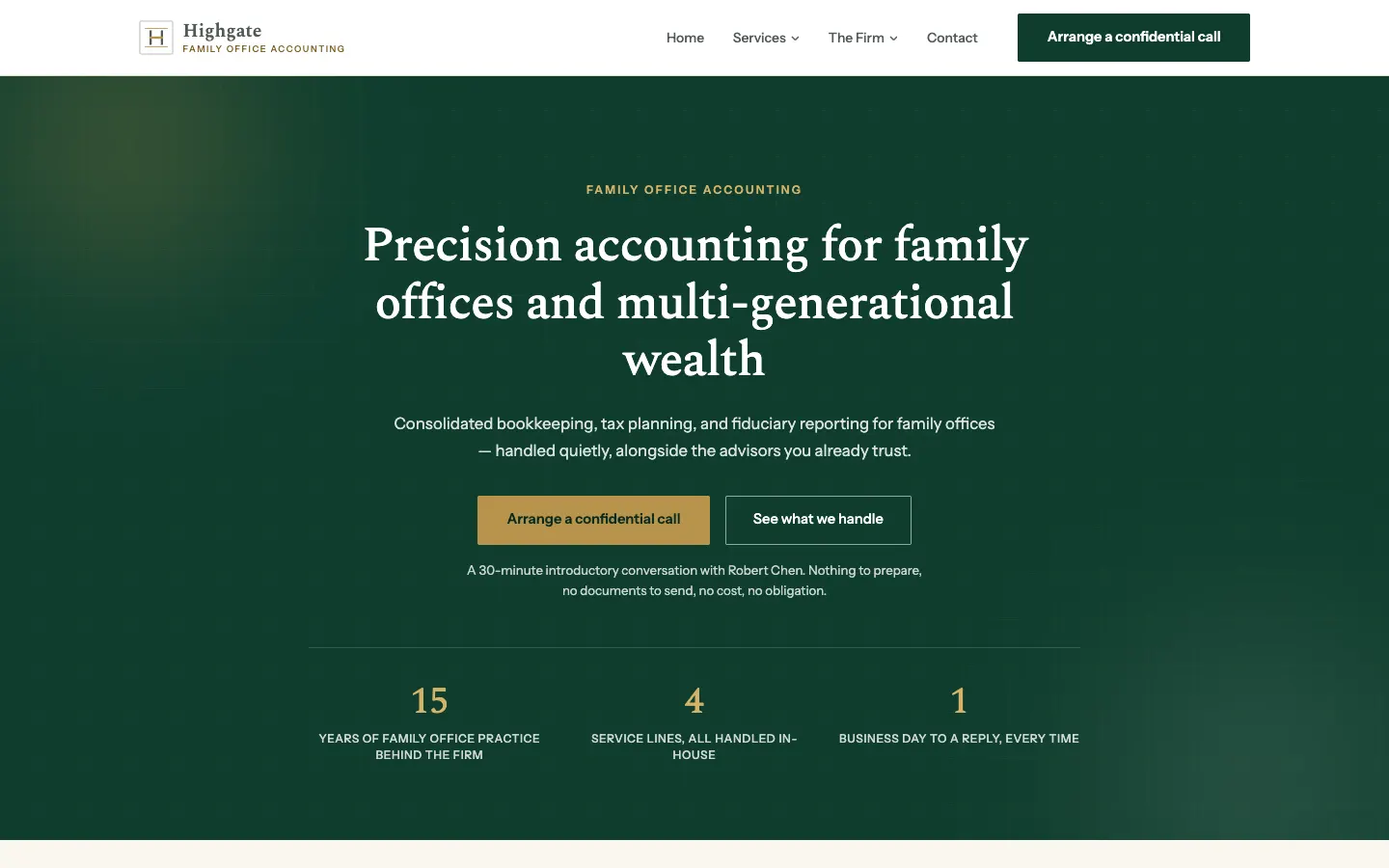

Free website build
We build the site. You run it on a plan.
Start a 12-month WorkspaceCMS plan and we design and build your website from scratch at no cost. The build is included. The platform runs on a monthly plan, and the page count scales with the tier.
What Is Different Here
Why credit unions and community banks do not market like everyone else.
Half the battle is answering a question no other financial marketer faces: can this person even join. Field of membership rules tie eligibility to an employer, an association, a county or a family relationship. Bury that in a footer and a qualified prospect assumes the answer is no. Eligibility belongs on the page where the product is described.
Rate shoppers behave nothing like relationship members. Someone comparing certificate yields or a used car rate finds your posted numbers, compares them in a minute, then acts or leaves. Someone opening a first checking account is choosing a branch, an app and a place to call when something goes wrong. Those are different pages with different jobs.
The word member is not a synonym for customer, and the ownership structure is a genuine differentiator that most institutions state once and never explain. Returned earnings, lower fees, lending decisions made in the same county, community investment. These are concrete claims. They persuade when attached to specifics instead of a mission statement.
What Gets In The Way
The problems that actually cost you revenue.
Eligibility stops people before products do
Prospects cannot work out whether they qualify to join. Charter language about select employee groups and community charters is legal text, not consumer copy. The result is a membership page that reads like a rejection notice and a contact center answering the same question dozens of times a day.
Rate pages are governed, not free copy
Advertise a savings yield and Truth in Savings governs how the annual percentage yield appears and what terms accompany it. Advertise a loan rate and Reg Z triggering terms apply. Rates change often, so those pages need a maintenance path that keeps disclosure correct every time a number moves.
National banks own the branded searches
Search for a checking account and you meet institutions with enormous budgets and household names. A community institution cannot match that spend. The realistic ground is the town, the specific product, the local underwriting story, and the auto and home lending decisions made by people who live nearby.
Branch listings go stale across the network
Hours, holiday closures, ATM availability, drive through lanes and shared branching all change, and every branch carries its own Google Business Profile plus dozens of directory entries. Wrong hours create a bad first experience at the branch door that no amount of advertising afterwards repairs.
How We Work
What we do about it.
Membership eligibility written as an answer
We turn charter language into a short checklist someone can self assess in seconds, placed on product pages rather than only on an about page. Where a family relationship or association route to eligibility exists, it is stated plainly, because that route converts people who had already assumed they did not qualify.
A page and profile for every branch
Each location gets a maintained page and Google Business Profile: hours, ATM and drive through details, shared branching, staff and the products handled there. Updates run through WorkspaceCMS, so a holiday schedule change takes minutes across the whole network instead of a support ticket per branch.
Product pages built for rate maintenance
Loan and deposit pages are structured so the number and its required disclosure live together and update as one unit, keeping Truth in Savings and Reg Z presentation correct. Comparison content explains the trade offs a shopper is weighing without implying an approval or a rate anyone is guaranteed.
Services
The disciplines behind it.
Search Engine Optimization
Own the searches your buyers actually make, at any scale.
Learn moreLocal and Multi-Location SEO
Win the map pack in one market or in two hundred.
Learn morePaid Media and Google Ads
Demand you can turn on today, measured to the lead.
Learn moreContent Marketing and Digital PR
Content that ranks, gets cited, and earns links.
Learn moreWeb Design and Conversion
Fast, conversion-first sites, built and then actually maintained.
Learn moreAI and Answer Engine Optimization
Get cited by ChatGPT, Claude, Perplexity and Gemini.
Learn moreQuestions
What credit unions and community banks ask us first.
If yours is not here, a free strategy call is the fastest way to get a specific answer about your market and your numbers.
Book a Free CallHow do credit unions market when membership is restricted?
Lead with eligibility instead of hiding it. Most charters are broader than people assume, covering a county, several employers, an association, or a family member of an existing member. Put a plain checklist on the pages where products are described, so someone reading about an auto loan learns in the same breath that they can join. Then concentrate local visibility on the counties and employer groups your charter genuinely covers rather than advertising into a region you cannot serve.
What disclosures do we need on rate advertising?
For deposit products, Truth in Savings governs how annual percentage yield is presented and which terms must accompany it, including minimum balance and compounding details. For loans, Reg Z triggering terms mean that stating a rate, a payment or a term brings additional required disclosure. Rates change constantly, so the page template matters more than the copy does. We build rate and disclosure as a single maintainable block and route every change through your compliance reviewer.
Is indirect auto lending worth marketing support?
It is, though the marketing looks different from anything else you run. The dealer relationship brings the loan, but the member relationship is what makes it profitable, and most indirect borrowers never open a second account. Support it with a fast onboarding path for new indirect members, a clear explanation of what they now have access to, and dealer facing material your lending team can hand over. Treat the first ninety days after funding as the real campaign.
Should a community bank and a credit union market differently?
The mechanics overlap heavily: branch level visibility, product pages with correct disclosure, local lending stories, reviews from real members. The differences are structural. Credit unions must explain field of membership and can lean on member ownership and NCUA insurance. Community banks explain FDIC insurance and usually carry more commercial and small business lending, which needs content written for business owners. We build the shared foundation once, then write the positioning your charter actually supports.
Related Industries
Close enough that the playbook overlaps.
Mortgage Brokers
Marketing a brokerage through rate swings and Reg Z ad rules, with referral partners doing real work.
Insurance Agencies
Marketing an agency around renewal dates, carrier appointments and quote forms people actually finish.
Financial Advisors
Marketing an advisory practice inside SEC and FINRA ad rules, built around referrals and life events.
Selling online instead?
This practice is built for service businesses, firms, practices and B2B. If your revenue comes from an online store, the 1Digital Agency eCommerce team has run ecommerce SEO, paid media and platform work since 2012 and is the better fit.
Markets
Where we work with credit unions and community banks.
Grow your business with 1Digital.
Get a free audit and a written scope built for credit unions and community banks.