Free strategy call and written scope for local, regional and national brands. Book yours →

Home / Industries / Healthcare and Medical / Plastic Surgery
Local and regional
Plastic Surgery marketing.
Nobody chooses a plastic surgeon in one session. The site has to hold up across weeks of research, several devices and one very careful decision.
How do you market plastic surgery?
Plastic surgery marketing is a long, cash-pay consideration cycle where the patient chooses a surgeon rather than a practice. Publish procedure pages with honest recovery detail and price ranges, build a consented before and after gallery, make the surgeon's credentials and training explicit, and offer a virtual consult as the low-commitment first step. Financing options matter because insurance rarely does. Expect weeks between first visit and booking.
See It Working
Sites we built for businesses like yours.
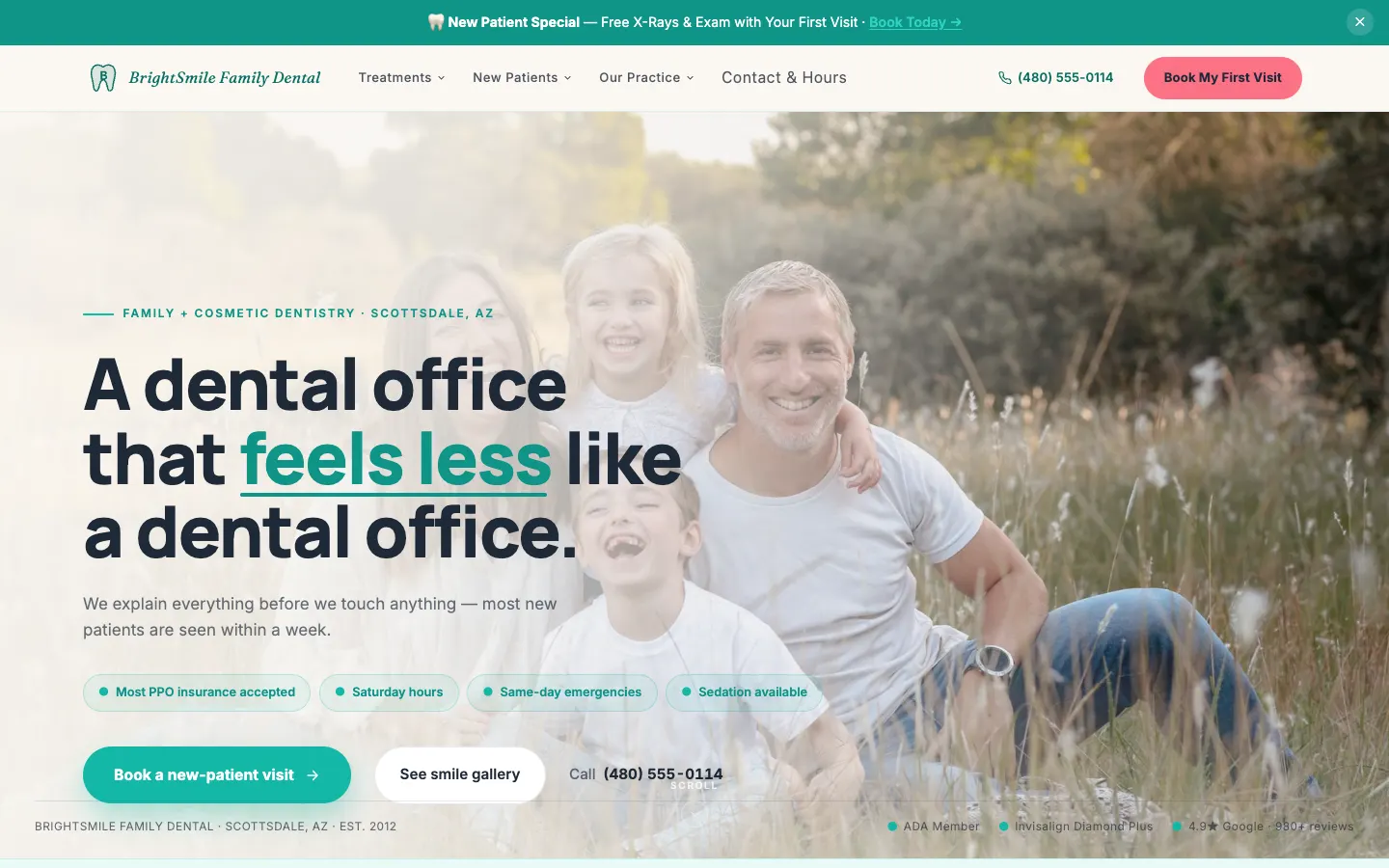
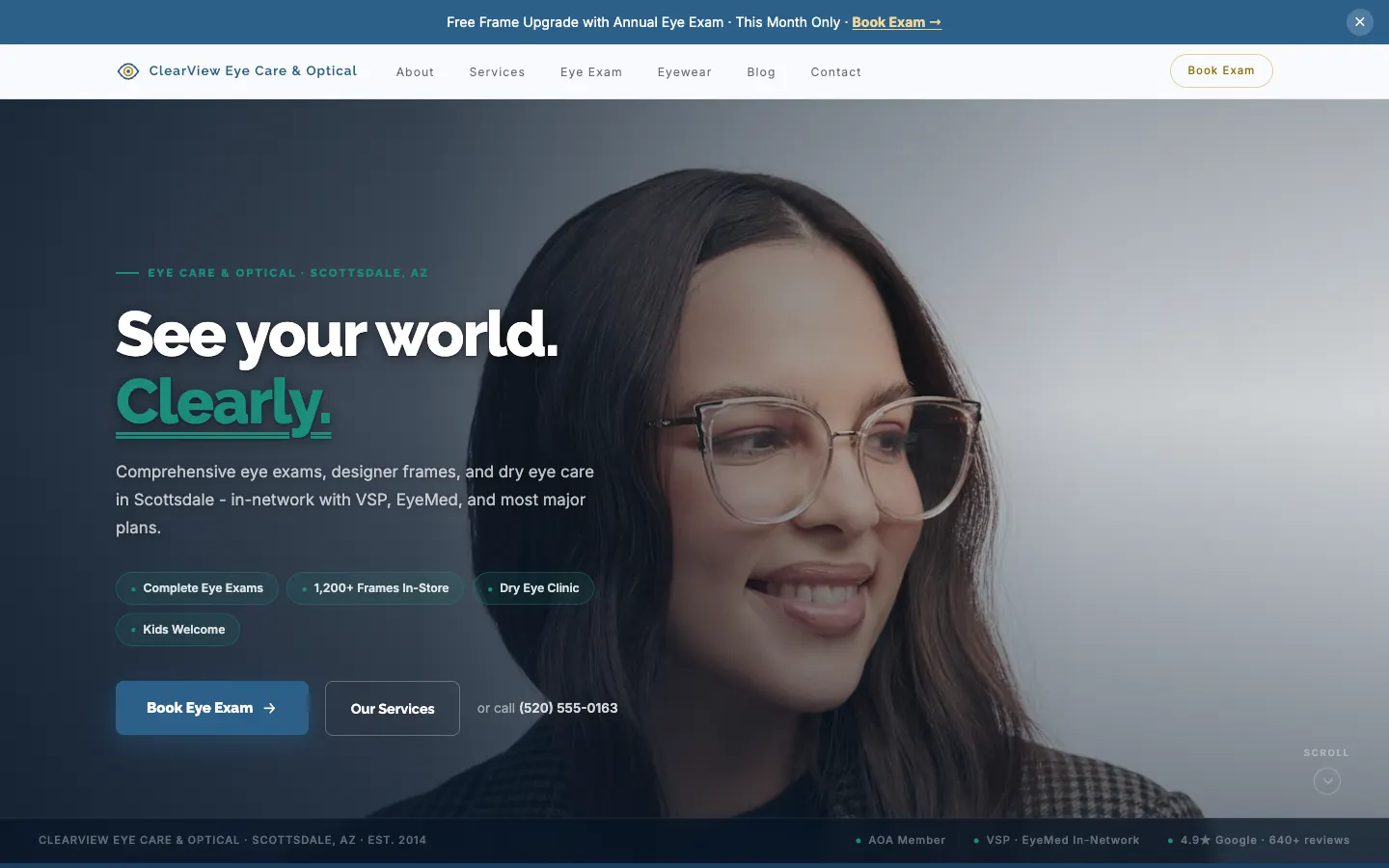
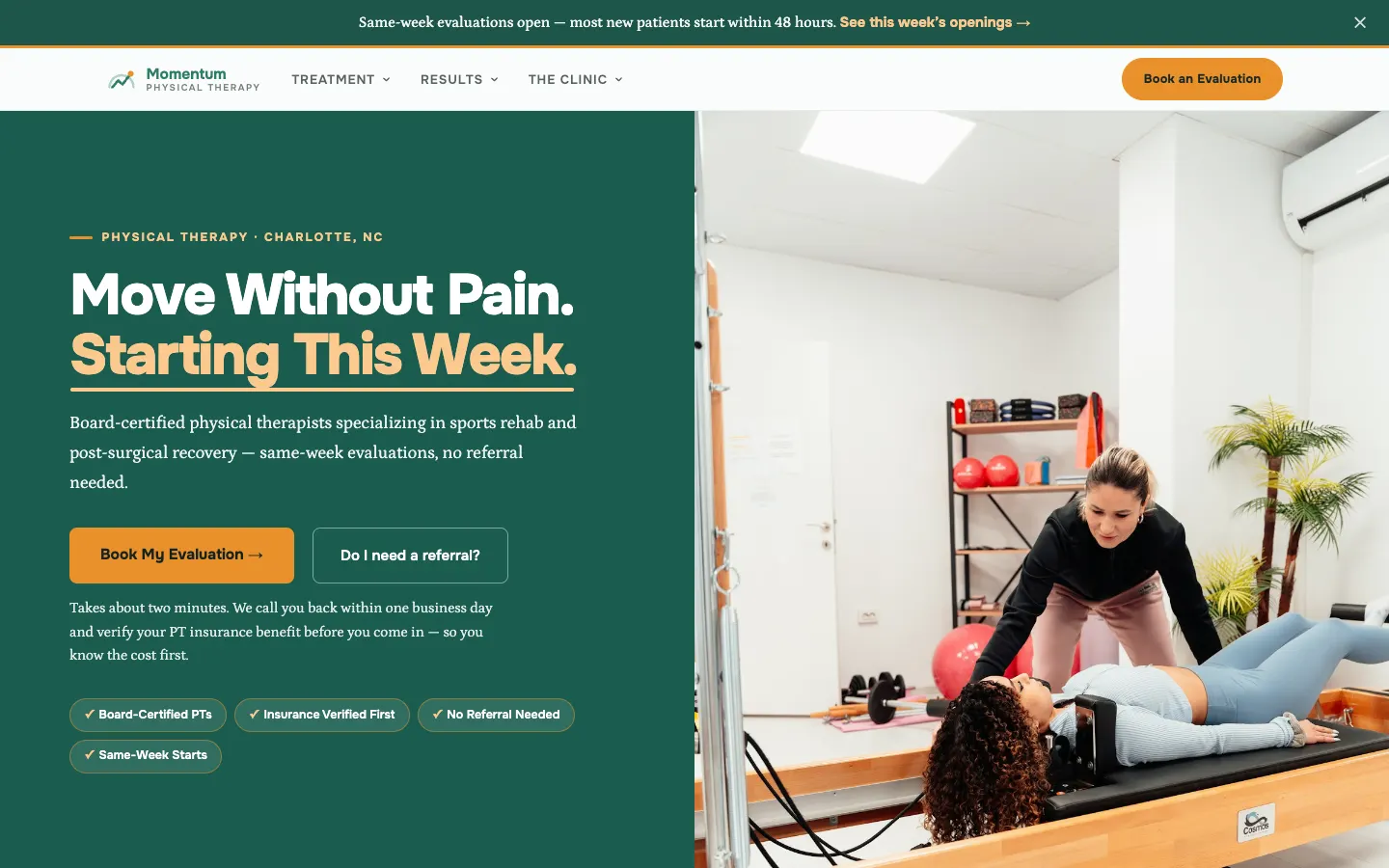
Open any of these and use it. They run on WorkspaceCMS, on their own domains, at the speed and structure a client gets. The businesses are invented, because these are demonstration builds rather than client sites.
Free website build
We build the site. You run it on a plan.
Start a 12-month WorkspaceCMS plan and we design and build your website from scratch at no cost. The build is included. The platform runs on a monthly plan, and the page count scales with the tier.
What Is Different Here
Why plastic surgery do not market like everyone else.
Almost nothing here behaves like the rest of healthcare. There is no insurance gate, no referring physician, and no recall cycle. Patients pay out of pocket, research for weeks or months, read forums, compare surgeons across a whole metro and sometimes across state lines, and arrive at a consultation already knowing more about the procedure than the average front desk.
That research period is the entire opportunity. A prospective patient will visit your site five or six times across a month, on a phone at night and a laptop at work, reading recovery timelines and looking for someone whose results match what they want. Nothing about that pattern rewards a thin site or a hard sell. It rewards depth, honesty about recovery, and photography of the specific procedure they are considering.
The decision is about a named surgeon. Practice branding matters far less than fellowship training, board certification, years performing that specific procedure and how the surgeon speaks on video. A patient is choosing who will operate on them. Every page that treats the surgeon as interchangeable with the clinic is arguing against the way this decision is actually made.
What Gets In The Way
The problems that actually cost you revenue.
Attribution breaks over a long cycle
Somebody discovers the practice on social in March and books a consultation in June after five visits from three devices. Last-click reporting credits a branded search and the channel that actually created the demand looks worthless. Practices then cut it, and enquiries fall two months later for reasons nobody connects.
Ad platforms restrict this category hard
Health and appearance advertising is subject to strict policy on both major platforms. Before and after imagery, body-focused targeting and outcome language get accounts limited or disapproved. Practices lose weeks to appeals, or run copy so cautious it converts nobody.
Price silence loses the comparison
Cash-pay patients compare cost and there is no insurance to obscure it. A practice with no pricing information anywhere is skipped in favour of one that publishes ranges, because the patient assumes silence means the highest number in the market. Consult volume drops without any signal explaining why.
Reviews are unusually sensitive
Patients are discussing their own appearance and often do not want to be publicly identified as a patient at all. That suppresses review volume in a category where trust is everything, and any response to a negative review risks confirming treatment details that a practice is not free to confirm.
How We Work
What we do about it.
Depth per procedure, not a services list
Each procedure gets its own page with technique, candidacy, realistic recovery week by week, cost range, financing and a gallery limited to that procedure. This is the content patients actually read across repeat visits, and it is what an assistant cites when someone asks what recovery looks like.
Sell the surgeon, with the credentials spelled out
Fellowship training, board certification explained in plain English, hospital privileges, professional memberships and video where the surgeon talks through a procedure. We build the surgeon's own named search presence too, because a serious patient will search that name before they book.
Measure the whole path, not the last click
We set up multi-touch tracking and a consult-to-surgery view, so channels that create demand early are not judged on final click. Combined with call tracking and consult outcome reporting, this tells you which spend produces booked cases rather than which spend was standing closest at the end.
Services
The disciplines behind it.
Search Engine Optimization
Own the searches your buyers actually make, at any scale.
Learn moreLocal and Multi-Location SEO
Win the map pack in one market or in two hundred.
Learn morePaid Media and Google Ads
Demand you can turn on today, measured to the lead.
Learn moreContent Marketing and Digital PR
Content that ranks, gets cited, and earns links.
Learn moreWeb Design and Conversion
Fast, conversion-first sites, built and then actually maintained.
Learn moreAI and Answer Engine Optimization
Get cited by ChatGPT, Claude, Perplexity and Gemini.
Learn moreQuestions
What plastic surgery ask us first.
If yours is not here, a free strategy call is the fastest way to get a specific answer about your market and your numbers.
Book a Free CallHow long is the buying cycle for plastic surgery, and what does that mean for ads?
Typically weeks to months, with multiple site visits from multiple devices. Practically, it means two things. Do not judge a channel on last-click attribution, because the platform that created the demand almost never gets the final click. And do not run only bottom-funnel search, because you will be bidding against everyone for the small slice of people who are already decided. Depth content and retargeting carry the middle of that cycle, which is where most of the decision happens.
Should we publish surgery prices?
Publish ranges. This is a cash-pay decision with no insurance to hide behind, so patients compare and a page with no number gets skipped. A range plus financing options plus a clear statement that the final quote comes from the consultation is enough. It also improves consult quality, because people who cannot proceed at your range self-select out before taking a surgeon's time. Never publish a figure you would not honour.
Our ads keep getting disapproved. Can that be fixed?
Usually, yes, though it takes restructuring rather than appeals. Health and appearance categories have specific policy limits on imagery, targeting and outcome language. We rewrite creative to stay inside them, move before and after evidence onto the site where it belongs rather than into ad units, and rebuild targeting on intent signals rather than personal attributes. We do not guarantee ad approval or rankings, and any agency that does is not reading the same policies.
How do we get reviews when patients want privacy?
Ask at the right moment, make it easy, and never pressure. Many patients will not review publicly, and that is their right. Build proof from what you can control instead: consented photography, video from patients who volunteer it, surgeon credentials and third-party profile presence. When you do reply to reviews, keep responses generic and move specifics offline. Confirming a procedure in a public reply is a disclosure risk even when the patient mentioned it first.
Related Industries
Close enough that the playbook overlaps.
Dermatology
Medical, surgical and cosmetic dermatology are three businesses sharing one website.
Med Spas and Aesthetics
Elective, cash pay and repeating: the consult converts, and loyalty follows the injector.
Orthodontics
Parents compare three practices and a mail-order aligner before they book a consult.
Selling online instead?
This practice is built for service businesses, firms, practices and B2B. If your revenue comes from an online store, the 1Digital Agency eCommerce team has run ecommerce SEO, paid media and platform work since 2012 and is the better fit.
Markets
Where we work with plastic surgery.
Grow your business with 1Digital.
Get a free audit and a written scope built for plastic surgery.