Free strategy call and written scope for local, regional and national brands. Book yours →

Home / Industries / Real Estate and Property / Property Management
Local and regional
Property Management marketing.
Doors under management is the number that matters. Leasing marketing fills units. Owner marketing grows the company.
How do you market property management?
Property management marketing serves two audiences with opposite goals. Owner acquisition grows door count and runs on local search, a published fee structure, and content explaining what management actually covers. Resident marketing fills vacancies through syndicated listing feeds and accurate unit pages. Fair housing rules govern all listing and screening language, and reviews mostly arrive during a dispute.
See It Working
Sites we built for businesses like yours.
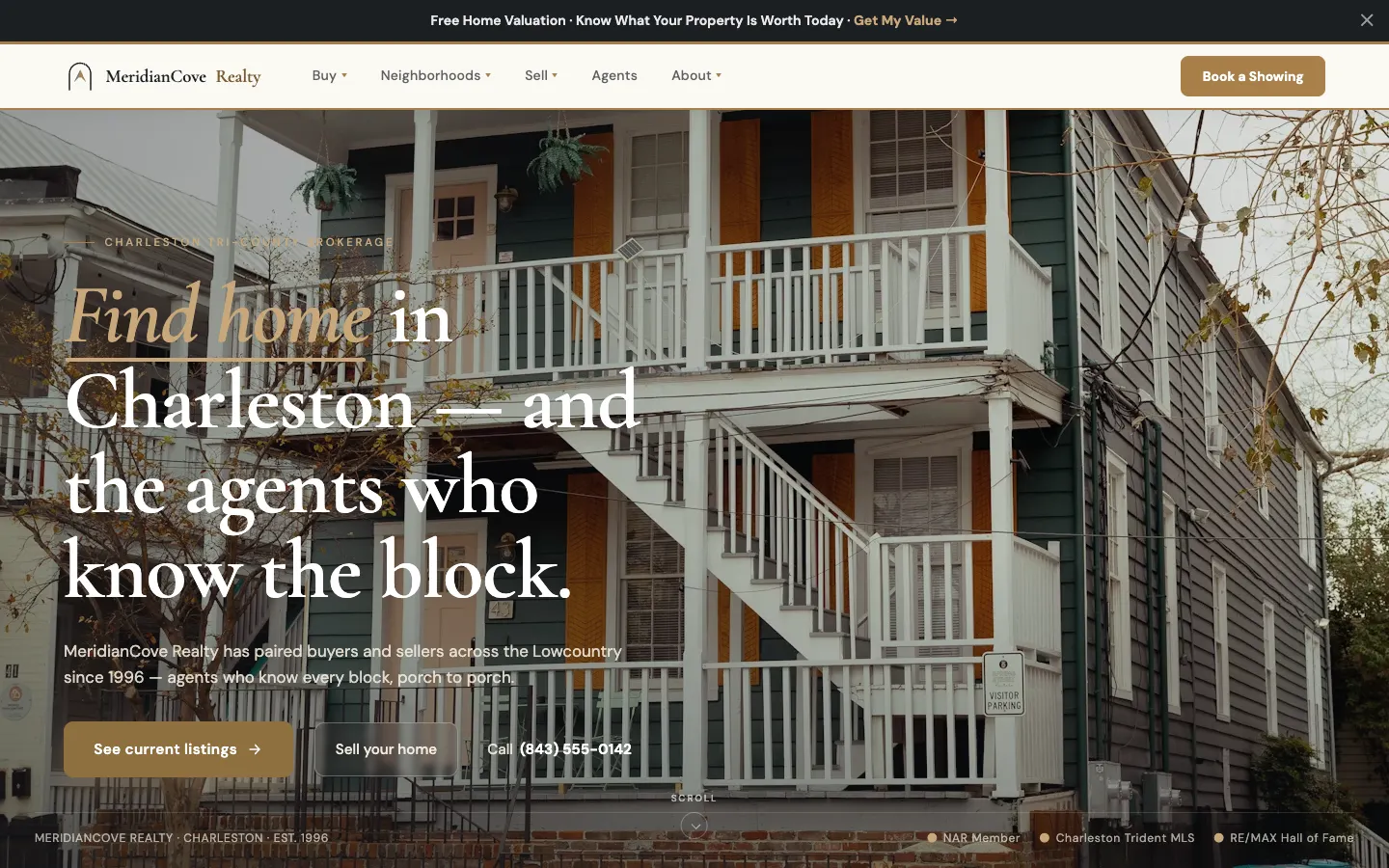
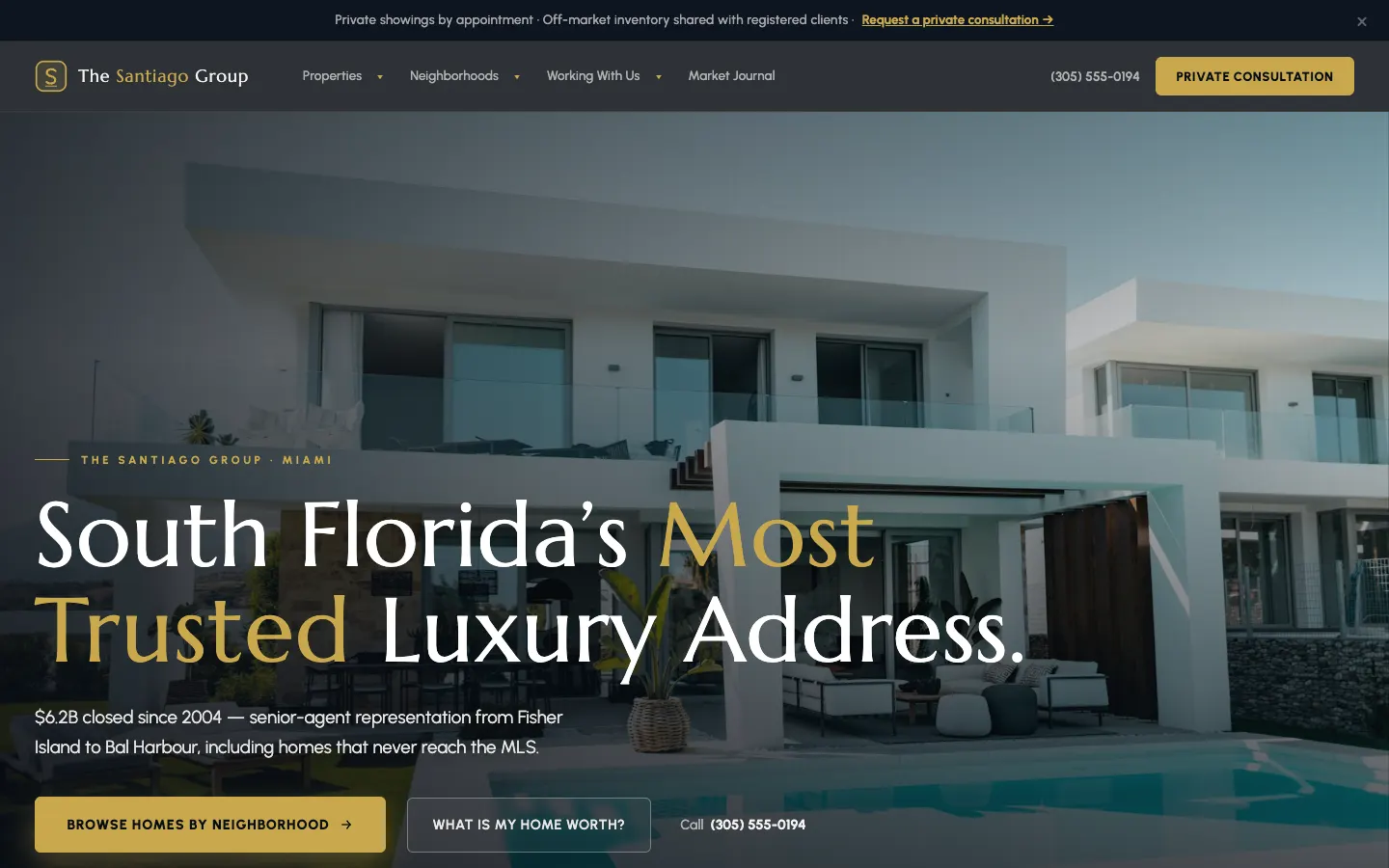
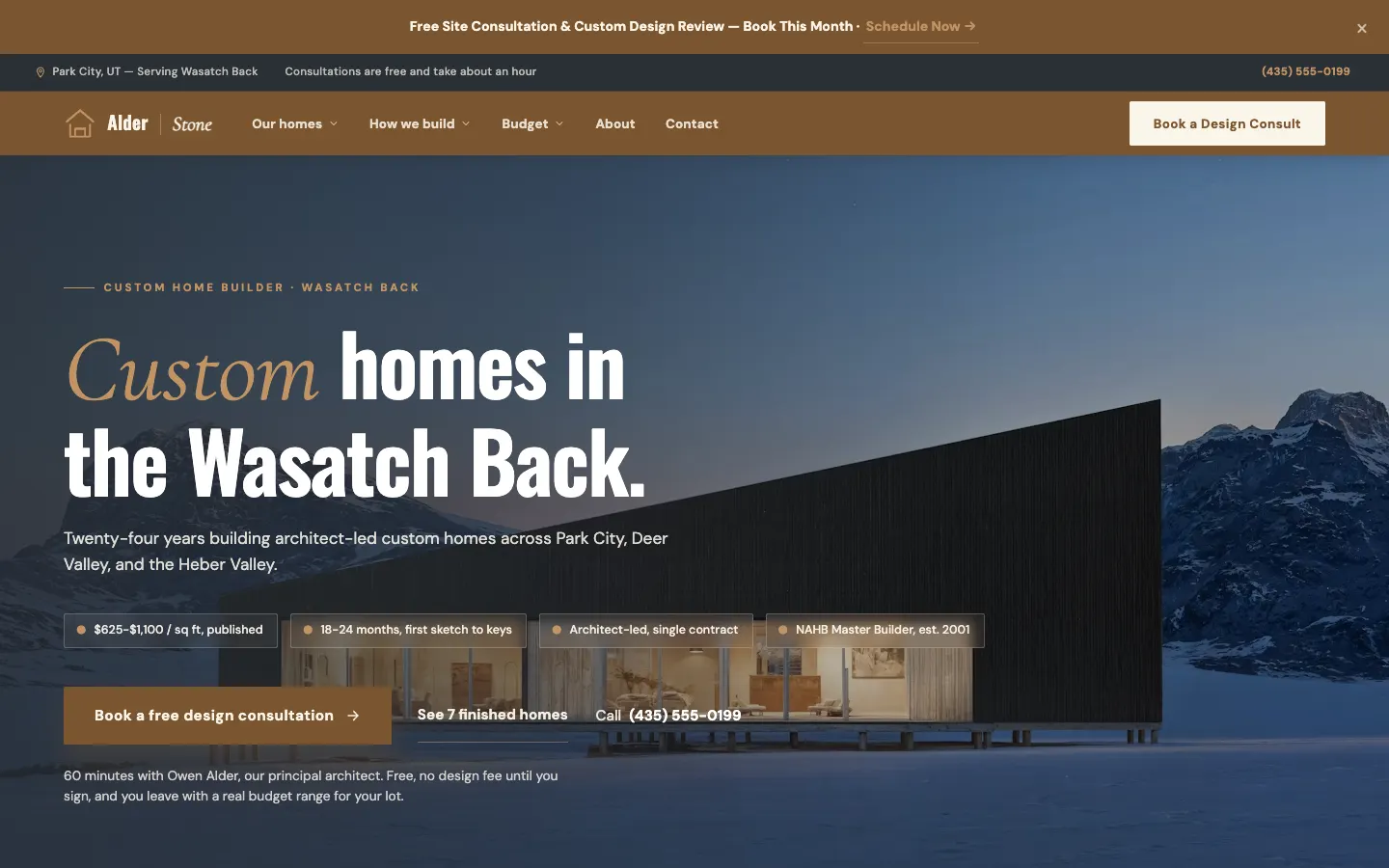
Open any of these and use it. They run on WorkspaceCMS, on their own domains, at the speed and structure a client gets. The businesses are invented, because these are demonstration builds rather than client sites.
Free website build
We build the site. You run it on a plan.
Start a 12-month WorkspaceCMS plan and we design and build your website from scratch at no cost. The build is included. The platform runs on a monthly plan, and the page count scales with the tier.
What Is Different Here
Why property management do not market like everyone else.
Revenue comes from doors, not from leases. Filling a vacancy earns a fee once. Signing an owner adds monthly management income for years, plus the leasing, renewal and maintenance revenue attached to it. Yet most property management websites are built almost entirely for renters, with owner information tucked behind a single tab labeled Owners.
The owner deciding whether to hire you is usually an accidental landlord or a small portfolio investor doing arithmetic. They want the management fee, the leasing fee, what happens with maintenance markups, how fast you place a tenant, and whether they get called about every water heater. Vagueness about fees reads as something being hidden.
Residents are a different problem entirely. They find units through syndication to the large rental portals rather than through your homepage, and they respond to speed above nearly everything: how fast someone answers, how soon they can tour, how quickly an application is processed. Meanwhile the public review record gets shaped by deposits, repairs and evictions.
What Gets In The Way
The problems that actually cost you revenue.
Owner pages read as an afterthought
The pages deciding whether a company grows are usually thin: a fee range, a contact form, a stock photo of a handshake. An owner comparing three companies wants the management agreement terms, the reporting cadence, the maintenance approval threshold and the leasing process described before they are willing to call.
Reviews arrive during disputes
Residents write reviews when a deposit is withheld or a repair runs late, almost never when a renewal goes smoothly. An unmanaged profile becomes a wall of conflict that prospective owners read before signing. The fix is deliberate review requests at positive service moments and replies that never discuss a resident's account.
Listing feeds decide leasing, not your site
Vacancies get found on the rental portals through syndication from your management software. Photo quality, description completeness, pricing accuracy and availability status drive results there. A slow or badly mapped feed produces empty units for weeks while the website itself looks perfectly healthy.
Fair housing applies to every listing word
Advertising, screening criteria and even the phrasing on a tour request touch fair housing rules. Descriptions like perfect for a young professional, or a quiet building suited to mature residents, create real exposure. Screening criteria have to be published consistently and applied identically to every applicant who inquires.
How We Work
What we do about it.
Build the owner side like a product
Fee structure explained, management agreement terms summarized, maintenance and reporting policies stated, plus a specific pitch for the property types you handle: single family, small multifamily, condo associations or student housing. Owners decide from that page, so it earns the depth most companies never give it.
Local search built around door growth
Property management searches are geographic and property type specific. We build service area and property type pages, keep the Google Business Profile active, and target the phrases owners use rather than the ones residents use, because those are two entirely separate keyword sets living on one site.
A review process tied to service moments
Requests triggered by a completed move in, a renewed lease or a maintenance ticket closed on time, plus reply templates that stay professional and never discuss a resident's account publicly. Over a few months this shifts the public record from disputes toward routine service done well.
Services
The disciplines behind it.
Search Engine Optimization
Own the searches your buyers actually make, at any scale.
Learn moreLocal and Multi-Location SEO
Win the map pack in one market or in two hundred.
Learn morePaid Media and Google Ads
Demand you can turn on today, measured to the lead.
Learn moreContent Marketing and Digital PR
Content that ranks, gets cited, and earns links.
Learn moreWeb Design and Conversion
Fast, conversion-first sites, built and then actually maintained.
Learn moreAI and Answer Engine Optimization
Get cited by ChatGPT, Claude, Perplexity and Gemini.
Learn moreQuestions
What property management ask us first.
If yours is not here, a free strategy call is the fastest way to get a specific answer about your market and your numbers.
Book a Free CallHow do property managers get more owners, not just tenants?
Separate the two funnels completely. Owner acquisition is a local search and reputation problem: be visible for property management in the markets and property types you serve, publish your fee structure and management terms, and let an investor compare you against two competitors in one sitting. Tenant marketing runs through listing syndication and uses a different keyword set entirely. Companies that grow door count treat the owner side as their primary marketing, not as a tab in the navigation.
Should we publish our management fees on the website?
In most markets, yes. Owners are comparing a small number of companies, and fee opacity pushes them toward the competitor who was clear. Publishing a structure also filters out owners who were never going to accept your terms, which saves the sales time you would have spent finding that out. If pricing varies by property type or portfolio size, publish the ranges and what drives them. Do not advertise a headline rate that hides leasing, renewal or maintenance charges.
How do we handle negative reviews from residents?
Respond publicly, briefly, and without details. You cannot discuss a resident's account, payment history or lease violations in a public reply, and arguing the facts is both a privacy problem and terrible reading for a prospective owner. Acknowledge, state the general policy, and offer a direct contact. Then build a volume of genuine positive reviews by asking at good moments, such as a completed move in or a fast maintenance resolution, so one dispute cannot dominate the page.
Does our website matter if units syndicate to the portals?
For leasing, the portals do most of the work, though your site still needs accurate unit pages with availability, application steps and published screening criteria. For growth, the site is everything. Owners research management companies directly and read far more of your pages than any resident ever will, often comparing agreement terms line by line. Treat listing pages as an operational requirement and the owner section as the marketing asset that actually compounds.
Related Industries
Close enough that the playbook overlaps.
Real Estate Brokerages
Marketing to two audiences at once: the sellers and buyers, and the agents you want to recruit.
Restoration and Water Damage
Insurance-mediated work that arrives through adjusters, plumbers and a homeowner in crisis.
Commercial and Residential Cleaning
Residential recurs weekly. Commercial is a bid and a contract. Two businesses, two funnels.
Selling online instead?
This practice is built for service businesses, firms, practices and B2B. If your revenue comes from an online store, the 1Digital Agency eCommerce team has run ecommerce SEO, paid media and platform work since 2012 and is the better fit.
Markets
Where we work with property management.
Grow your business with 1Digital.
Get a free audit and a written scope built for property management.